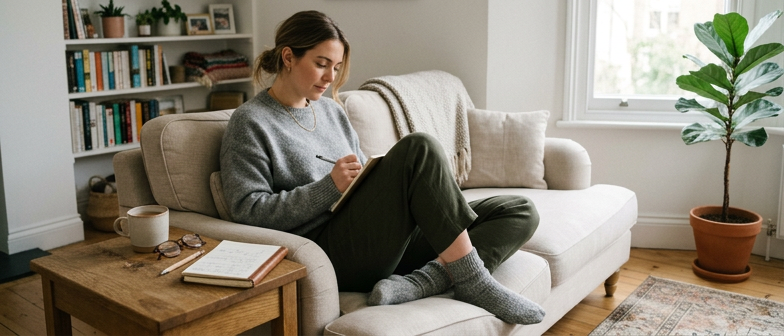
Why Work From Home Outfit Basics Still Matter
When you work remotely every day, it is easy to slip into weekend habits and skip getting properly dressed. Yet Work From Home Outfit Basics still shape how you feel and perform. Clothing that is too relaxed can blur the line between work and downtime, while a simple, consistent way of dressing anchors focus, structure, and a dependable everyday remote work style. Putting on something clean, presentable, and intentionally chosen tells your brain that the workday has started, even if your office is the corner of the living room.
Your outfit also affects how others see you on screen. A casual professional style that feels natural at home helps you look reliable and engaged without feeling stiff or overdressed. Neutral colors, neat tops, and soft fabrics allow you to stay comfortable while still looking polished in meetings. These small choices add up: a basic remote-work wardrobe supports confidence, keeps your appearance steady from day to day, and makes it easier to hold a clear boundary between personal time and professional responsibilities.
Building a Comfortable yet Professional Home Wardrobe
A reliable work from home wardrobe starts with comfortable home office clothing that still looks appropriate for video meetings or quick coworking visits. Choose soft, breathable fabrics that move easily when you sit for long periods, but keep some structure where the camera focuses, such as the shoulders, neckline, and upper torso. Neutral tops, knit polos, lightweight sweaters, and simple shirts in smooth materials create an everyday remote work style that looks calm and polished without feeling stiff, so you can focus on your tasks instead of what you are wearing.
To make dressing simple, create a small rotation of mix-and-match pieces that share a similar color palette. A compact set might include a few solid tops, one or two casual jackets or cardigans, a couple of well-fitting pants with elastic or partially elastic waistbands, and soft knit dresses if you like one-piece options. By choosing items that combine in several ways, you get different outfits from a limited closet and avoid decision fatigue, while also knowing exactly which pieces to prioritize for laundry during the workweek.
Remote work outfits can stay casual yet professional by pairing relaxed bottoms like tailored joggers or soft chinos with a more structured top and saving very worn loungewear for off-hours. Pay attention to the details that show up on camera, including clean necklines, fabrics that do not wrinkle easily, and simple accessories that will not distract from your face. Over time, you will learn which combinations feel most like your everyday remote work style and can get ready quickly for any last-minute call or meeting.
| Wardrobe Category | Weekly Use in Rotation | Comfort Priority | On-Camera Impact |
|---|---|---|---|
| Neutral structured tops | Most weekdays | Medium | High |
| Soft knit sweaters/cardigans | Alternate days | High | Medium |
| Elastic-waist pants or joggers | Most weekdays | High | Low |
| Casual jackets or blazers | Key meeting days | Medium | High |
| Soft knit dresses | One or two days | High | Medium |
| Loungewear pieces | Off-hours only | High | Very low |
Soft fabric choices that work on and off camera
For a comfortable home office wardrobe that still looks polished on screen, focus on soft, breathable fabrics that drape smoothly rather than cling. Cotton blends, lightweight knits, and modal or bamboo jerseys feel gentle against the skin and move quietly when you shift in your chair, which matters when you spend hours in the same outfit. These materials support all‑day comfort while you type, stretch, or take a quick break, yet keep their shape well enough to maintain a tidy neckline and shoulder line during video meetings.
On camera, the way a fabric catches light can influence how professional your remote work style appears. Matte textures in soft fibers usually read better than shiny materials, which can reflect glare and highlight every crease. Choose tops in smooth knits or brushed cotton that skim the body, avoiding bulky weaves that add visual weight around the neck and chest. Building a small rotation of tops and light layers from these fabrics creates a simple, low‑effort system for looking put‑together in every video call.
Looking Polished on Video Calls
When your office is at home, looking put together on camera becomes a core part of work from home outfit basics. The aim is to appear relaxed yet reliable without spending extra time. Focus on what shows on screen: your shoulders, neckline, and upper torso. Clean, well fitting tops made from soft fabrics keep you comfortable while still reading as professional. Even if you wear casual bottoms, a neat top and tidy grooming signal that you are prepared and paying attention.
Color and neckline choices strongly affect how you appear on video. Solid, mid tone colors usually work better than busy prints, which can flicker or distract on camera. Very bright white or deep black can confuse some webcams, so soft neutrals, blues, greens, and muted jewel tones are often easier to wear. Choose necklines that stay in place and do not need adjusting, such as crew, boat, or modest V necks. This kind of casual professional style feels natural in a home office yet fits typical expectations for virtual meetings and presentations.
Layering is a simple way to polish your remote work look with minimal effort. Keeping a cardigan, knit blazer, or light jacket on a nearby chair lets you add structure in seconds before you join a video call. This supports a simple wardrobe rotation: you can repeat comfortable home office clothing and change the top layer to create variety. Treating your video call outfit as part of your everyday remote work style helps you balance ease, comfort, and a camera ready appearance.
Small adjustments before you turn the camera on
Before a video call, take one quiet minute to scan your outfit from head to shoulders, since that is what others see most in your everyday remote work style. Smooth your collar or neckline, check that your top is not see-through under the lighting, and make sure straps, drawstrings, or headphones are not tangled or distracting. If you are wearing a soft, comfortable layer like a cardigan or knit, square the seams on your shoulders so it looks intentional, then use the camera preview to spot lint, pet hair, or wrinkles and brush or pat them away before you unmute.
Creating a Simple Wardrobe Rotation for Remote Work
A simple wardrobe rotation keeps your everyday remote work style consistent without daily outfit decisions. Instead of starting from scratch each morning, you rely on a small set of comfortable home office clothing combinations that you repeat through the week. This works well when you work from home, because you want outfits that feel relaxed for long stretches at your desk but still look presentable for a last-minute video call.
Begin with a limited color palette and a few silhouettes you genuinely enjoy wearing. That might mean a couple of soft knit tops, some breathable T-shirts, and a lightweight sweater that all work with stretch trousers or tailored joggers. Prioritize soft fabrics that move with you and feel good on your skin, then give each combination a loose role, such as a slightly sharper look for client meetings and something more casual on focused work days. Rotating these set outfits helps you appear put-together while creating a calm, repeatable morning routine.
Once you have a basic rotation, fine-tune it around your schedule and your company’s expectations. Build your smartest looks for days with regular team or client calls and keep the most relaxed options for quieter days. Over time, you will notice which pieces you reach for most; adjust your simple system so your core capsule matches how you actually work and live. The goal is not a rigid uniform but a small, flexible set of outfits that makes everyday remote work dressing straightforward, comfortable, and quietly professional.
Q&A
-
Why do basic work from home outfits matter if no one sees me?
Getting dressed in clean, intentional clothing signals the start of the workday, supports focus, and helps separate work hours from personal time, even when you stay at home. -
How can I create a comfortable but professional remote work outfit?
Choose soft, breathable pieces like knit polos, simple shirts, or lightweight sweaters in neutral colors that fit well so you feel relaxed but look work-ready. -
Which soft fabrics are best for everyday remote work style?
Look for cotton blends, light knits, and modal or bamboo jersey, which feel gentle on the skin, move easily while you sit, and still look neat. -
How can I look polished on video calls with minimal effort?
Prioritize what the camera shows: wear a tidy, well-fitting top, smooth your hair, and keep accessories simple, even if your bottoms are casual. -
What is an easy wardrobe rotation for working from home?
Pick a small set of mix-and-match tops and comfortable pants you repeat through the week, so most mornings you choose from a few dependable combinations.