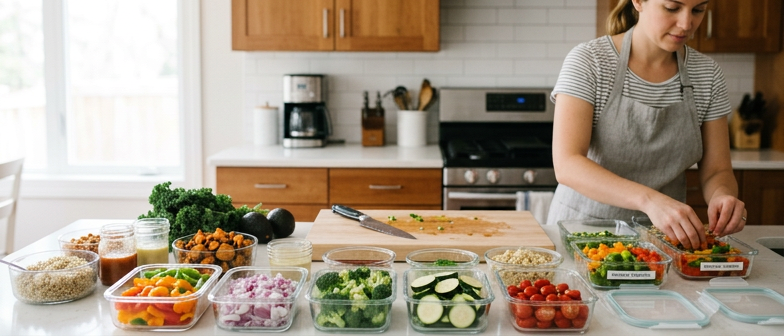
How an Ingredient Map Supports Weekly Meal Prep
An ingredient map links your weekly meal plan with the foods you need to buy and use. Instead of keeping recipes and a grocery list separate, you list core ingredients that appear in several meals and note when they are used. One carton of eggs might be planned for a breakfast scramble on Monday and a frittata on Thursday, while a bag of rice could serve both a stir-fry and a burrito bowl. By seeing how each item fits into your family’s meal schedule, it becomes easier to check what is already at home, avoid buying duplicates, and choose portions that match what people usually eat in a week.
Compared with a loose group of recipe ideas, an ingredient map organizes fresh produce, chilled foods, and pantry staples so they are used in a practical order. Tender greens can be planned for early in the week, while sturdier vegetables and canned goods are used later, which supports gradual use of perishable foods and helps limit waste. When leftovers are included on the map, you can mark which ingredients are expected to carry over into future lunches or dinners rather than sitting forgotten in the refrigerator. Over time, this view of how ingredients move through your kitchen can make weekly prep more predictable and highlight patterns that lead to food waste.
Planning a Family Meal Schedule Around Shared Ingredients
A weekly family meal plan built around shared ingredients starts with a simple overview of the days and the main meals you usually cook. List a few flexible staples everyone tends to enjoy, such as chicken, beans, rice, pasta, and familiar vegetables, then sketch different dishes that can branch out from those basics. One batch of roasted chicken and mixed vegetables, for instance, can serve as grain bowls early in the week and then be used for wraps or salads later. Thinking in terms of ingredient groups instead of separate recipes links your grocery list, batch cooking, and nightly meals into a single map, and it also shows which foods should be cooked first and which can be held for later based on how quickly they lose quality.
Aligning meals with overlapping ingredients can reduce waste while still respecting different tastes and schedules. Plan dishes that rely on the most perishable produce at the start of the week, and save meals based on pantry staples or frozen items for busier days or the weekend. Household members can personalize plates with their own seasonings, toppings, or side dishes while sharing the same base, such as cooked grains or a large pot of beans. Keeping the plan visible on paper or a digital calendar makes it easier to adjust when plans change, track leftovers that need to be used, and avoid buying more food than the household can reasonably prepare.
| Scenario Type | Ingredient Overlap | Prep Time Efficiency | Food Waste Risk | Best Fit Household |
|---|---|---|---|---|
| High overlap, shared base | Many meals share proteins and grains | High | Low | Families wanting streamlined weeknights |
| Moderate overlap, varied flavors | Shared staples with different seasonings | Medium | Low to medium | Households with mixed taste preferences |
| Low overlap, separate meals | Distinct ingredients per dish | Low | Medium to high | Families prioritizing variety over batching |
| Perishables front‑loaded | Early week focused on fresh produce | Medium | Low | Schedules with predictable early‑week time |
| Pantry‑heavy late week | Later meals rely on shelf‑stable items | High | Low to medium | Busy households needing flexible weekend plans |
Linking Recipes to Core Ingredient Categories
When planning a weekly meal prep menu, link each recipe to core ingredient categories to keep the process efficient. Sort dishes into broad groups such as proteins, grains or other starches, vegetables, and pantry items like oils, beans, and canned tomatoes. For every recipe, note its main protein, starch, and fresh produce, then scan the week for overlaps, such as several meals using chicken, brown rice, or carrots. This simple ingredient map supports batch cooking, because items prepared once can appear in multiple dishes, and it guides fresh produce planning so you buy realistic amounts and schedule the most perishable foods earlier. Matching recipes with pantry staples already on hand also reduces duplicate purchases and helps the grocery list reflect how ingredients are stored in your kitchen.
Organizing the Grocery List from an Ingredient Map
Once the weekly ingredient map is complete, use it as a blueprint for a structured grocery list. Review all planned meals and group ingredients by store section, such as produce, meat, dairy, frozen foods, and pantry staples. This reduces backtracking and shows which items are fresh and time‑sensitive versus long‑lasting. Within each section, list specific items and any general preferences, like whole‑grain options or lower‑salt versions. Check the family meal schedule as you build the list so ingredients for breakfasts, lunches, dinners, and snacks are all included rather than focusing on just one type of meal.
Add quantities to turn the list into a practical shopping tool. Scan the ingredient map to see how often each item appears and estimate amounts based on realistic serving sizes. Recording units, such as number of avocados or pounds of chicken, helps avoid both overbuying and shortages. For highly perishable produce, match quantities to the days you plan to cook with them, buying only what you need for early‑week recipes and planning a later restock if necessary. For pantry goods like grains, oils, canned beans, and spices, check existing supplies and list only what is needed to replace items that are running low.
Marking which foods are fresh, frozen, or shelf‑stable supports organized shopping and helps limit waste. You can identify items that must be refrigerated right away, ingredients meant for the freezer, and dry goods that will stay in the cupboard. This makes it easier to plan the order of shopping and unpacking, focusing first on chilled and frozen products. The ingredient map also highlights where frozen vegetables, fruits, or proteins can stand in for fresh versions in later‑week meals, so delicate produce is used earlier. By pairing long‑lasting pantry items with fresh foods in specific recipes, the list shows which ingredients should be prioritized soon after purchase and which can wait safely.
Using Store Layouts to Group Ingredients
Aligning your grocery list with the layout of your usual store can make weekly meal prep more efficient. Instead of listing items randomly, group ingredients by sections such as fresh produce, dairy, meat and seafood, frozen foods, and pantry staples. When your plan depends on fruits and vegetables, keep all fresh produce together and mark which items appear in several recipes, so you can check quality and quantity while you are in that aisle. Moving through each section in order limits backtracking and helps you confirm that everything needed for batch cooking is in your cart.
Planning Fresh Produce and Pantry Staples Together
When planning ingredients for a full week, treat fresh produce, pantry items, and freezer foods as one connected map instead of separate lists. Group fruits and vegetables by how quickly they lose quality, then place them earlier or later in the family meal schedule. Tender greens, berries, and cut fruit are best in the first few days, while sturdier options like carrots, cabbage, onions, and winter squash can anchor mid- or late-week recipes. Organizing the grocery list around this order makes it easier to assign ingredients to specific days, use the most perishable foods first, and rely on longer-lasting items later, which can help keep meals varied and reduce food waste.
Balancing fresh produce with shelf-stable ingredients adds flexibility when plans change. Early-week dishes can highlight fresh herbs, delicate vegetables, or salad greens, with canned beans, grains, pasta, sauces, and spices available to adapt if a planned dinner is skipped. Leftover tomatoes and peppers from a sheet pan meal, for instance, can be combined with dry rice and broth for a quick one-pot dish the next day. Organizing the list into sections such as produce, proteins, dry goods, and canned items helps you see these pairings while shopping. Over time, this mix of fresh and stored ingredients can make the weekly meal routine more predictable, limit extra trips to the store, and support using what is already at home before it spoils.
Q&A
-
What is a weekly meal prep ingredient map?
It links each recipe to the specific foods and amounts used during the week. Unlike a simple meal list, it shows shared ingredients and timing so shopping, batch cooking, and storage are more coordinated. -
How can I organize my grocery list around my family meal schedule?
Start from planned breakfasts, lunches, dinners, and snacks, list all ingredients, then group them by store areas such as produce, meat, dairy, and pantry. Adjust quantities to match what your household usually eats. -
Which ingredient groups help most with batch cooking?
Many home cooks sort foods into proteins, grains or other starches, vegetables, and shelf‑stable pantry items. This makes it easier to cook items like chicken, rice, or beans in larger amounts and reuse them in several meals. -
How do I plan fresh produce so it lasts the whole week?
Use tender items like salad greens and berries in early‑week meals and schedule sturdier choices such as carrots, cabbage, and onions later. This order helps you use highly perishable foods first and rely on longer‑lasting produce afterward. -
How do pantry staples support food waste reduction?
Shelf‑stable staples can complete meals when some fresh foods are gone and help you use ingredients already at home. Pairing dry goods, canned items, and oils with planned proteins and vegetables can limit duplicate purchases and spoilage.