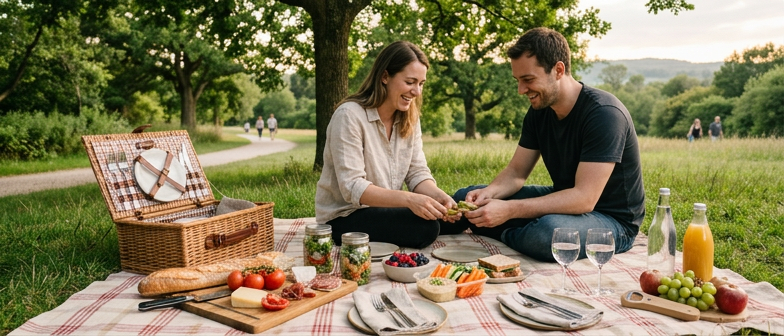
Why Simple Picnic Meal Planning Matters
Simple picnic meal planning is not about creating a perfect spread, but about keeping outdoor lunch preparation calm, safe, and realistic. Taking a few minutes to decide what you will eat, how it will travel, and who you are feeding cuts down last‑minute stress and forgotten essentials. A short plan helps you choose foods that hold up well outside, arrange them so they are easy to serve, and pack only what you will actually use instead of filling the basket with random items.
A basic plan also supports good food safety and comfort while you eat outdoors. Deciding which foods must stay chilled, which can sit at room temperature, and how long you will be outside makes it easier to use cool bags, ice packs, and leak‑proof containers well. With this organised approach, you can relax and enjoy the picnic instead of worrying about spoilage, missing utensils, or warm drinks. The rest of this guide builds on this idea, showing how simple choices at home lead to easier packing, safer meals, and a more enjoyable time outside.
Planning a Balanced and Budget Friendly Picnic Menu
Simple picnic meal planning works best when you think about balance instead of volume. Include fruit or crunchy vegetables, a protein such as beans, cheese, eggs, or lean meats, and a grain like wholemeal rolls, wraps, or pasta salad. Once these basics are covered, add a few small extras such as a dip or a light dessert, rather than many similar dishes that are hard to carry and keep safe outdoors.
To keep your menu budget friendly, pick easy picnic food ideas that share ingredients and scale for the size of your group. Roasted vegetables can fill sandwiches and also sit beside cold chicken or canned fish, while one block of cheese can top crackers and be grated into a salad. Affordable pantry items like beans, lentils, and oats fit into salads, spreads, and bars, and tap water or simple flavoured water usually costs less than individual drinks, helping reduce both waste and overpacking.
Favour dishes that taste good cold or at room temperature and do not need last minute cooking, such as sandwiches, grain salads, chopped vegetables with hummus, and washed fruit that is easy to grab. Think about how each item will be packed and eaten outdoors, choosing foods that hold their shape and stay fresh with ice packs in an insulated bag. Matching your menu to your containers and travel time keeps outdoor lunch preparation straightforward and supports safe food storage habits.
| Meal Component | Budget-Friendly Option | Prep or Packing Tip | Best For |
|---|---|---|---|
| Main | Bean and vegetable wraps | Use one filling mix for all wraps | Mixed-age groups |
| Side | Roasted vegetables | Pack in a shallow, lidded box | Adding colour and fibre |
| Snack | Wholegrain crackers with cheese | Slice cheese at home and layer with paper | Quick nibbling |
| Dessert | Oat and fruit bars | Bake once, cut into small squares | Children and sweet cravings |
| Drink | Chilled tap water with citrus slices | Carry in reusable bottles with ice packs | Hydration without extra cost |
| Flexible extra | Hummus with chopped vegetables | Keep dip and vegetables in separate containers | Sharing platters |
Easy Picnic Food Ideas for Mains and Sides
For simple picnic meal planning, choose mains that are sturdy, easy to portion, and taste good at room temperature. Sandwiches and wraps work well for outdoor lunch preparation because they can use budget friendly fillings such as hard-boiled eggs, chickpeas, sliced cheese, or leftover roast chicken. Pasta salads with vegetables and beans, grain bowls made with rice or couscous, and pan-baked frittatas cut into wedges all travel well, let you cook once, and pack neatly into reusable containers without reheating.
Keep sides straightforward so the whole picnic stays affordable. Raw vegetables with yogurt or hummus, seasonal fruit, and small servings of nuts or wholegrain crackers round out easy picnic food ideas with little extra work. Repeating the same vegetables in salads and sandwiches keeps the shopping list short and supports budget friendly picnic meals, while pairing one hearty main with one or two light sides creates a balanced spread that fits into a single cooler bag.
Packing Fresh Snacks and Building a Family Picnic Basket Checklist
Thoughtful snack packing keeps Simple Picnic Meal Planning relaxed. Choose fresh options that travel well, such as firm fruit, chopped vegetables, hard cheeses, and wholegrain crackers. Wash and dry produce, then pack it in small sealed containers so it stays crisp and easy to share. Store dips like hummus or yogurt separately and combine them only when you are ready to eat. Reusable boxes protect food from being squashed and make it easier to portion snacks for adults and children.
A few habits make Outdoor Lunch Preparation safer and more enjoyable. Place high moisture foods like melon or leafy salads in leakproof containers and keep them near ice packs in an insulated bag. Pick easy picnic food ideas that stay tasty at outdoor temperatures, such as mini sandwiches with sturdy bread, cold roast chicken, or pasta salads dressed with oil and vinegar. Label containers if anyone has allergies, and avoid leaving perishable foods out of the cooler so you reduce waste and lower the chance of spoilage.
A simple family picnic basket checklist helps you remember more than the food. Alongside snacks and mains, include drinking water, cups, plates, napkins, wipes, and a small cutting board with a safe knife. Add hand sanitizer, a rubbish bag, and spare containers so leftovers can be stored promptly. Note reusable ice packs, serving utensils, and a light blanket on your list so every outdoor meal is easier to organize and supports budget friendly picnic meals.
Fresh Snack Packing Tips for All Ages
For simple picnic snacks that suit children and adults, choose produce that travels well, such as apples, grapes, cherry tomatoes, carrot sticks, and sugar snap peas. Wash and dry everything at home so extra moisture does not make other foods soggy. Cut larger items into bite‑size pieces for younger kids, but leave some options whole for those who like more crunch. Keep juicy fruit like melon or orange slices in separate, well‑sealed containers and include a small fork or toothpicks so people can serve themselves without reaching in by hand.
Safe Food Storage Habits for Outdoor Lunches
Safe food storage habits are an essential part of simple picnic meal planning. For any outdoor lunch, focus on time and temperature, because bacteria grow quickly in warm weather. Pack chilled items straight from the fridge into an insulated cooler with plenty of ice packs or frozen water bottles. Keep cooked meats, dairy products, eggs, and cut fruit cold by opening the cooler only when needed and keeping it in the shade while you eat.
During outdoor lunch preparation, always separate raw ingredients from foods that are ready to eat. Use one clean container or bag for raw meat or fish and another for salads, sandwiches, and snacks. If you bring marinated foods, keep the portion used for serving in a different container from the marinade that touched raw items. Pack washed utensils, boards, and tongs, and store them in a clean cloth or resealable bag so they stay protected until you set up your picnic.
For hot dishes and leftovers, pay attention to time limits and clean handling. Transport hot foods in insulated containers and eat them soon after you arrive, rather than leaving them out for hours. Be cautious about saving food that has been sitting on the picnic blanket; when unsure, throw it away to avoid foodborne illness. Bring hand wipes or a way to wash hands before eating, keep container lids closed whenever possible, and pack rubbish bags so you can clear away used packaging quickly and keep your picnic area safe.
Q&A
-
Why does simple picnic meal planning make outdoor lunches easier?
It helps you decide what to eat, how it will travel, and what each person needs, so you avoid last‑minute stress, food waste, and forgotten essentials. -
How can I plan a balanced, budget friendly picnic menu?
Start with produce, a protein like beans, cheese, eggs, or lean meat, and an affordable grain such as rolls, wraps, or pasta salad, then add one or two small extras. -
What are some easy picnic food ideas that travel well?
Choose sturdy mains like sandwiches, wraps, vegetable and bean pasta salads, grain bowls, or frittata slices that taste good at room temperature and pack neatly. -
What should I include in a simple family picnic basket checklist?
Pack ready‑to‑eat fruit and vegetables, snacks like crackers and cheese, mains, plenty of water, napkins, reusable containers, cutlery, and a rubbish bag. -
How do I keep picnic food safe in warm weather?
Chill food thoroughly, place it in an insulated cooler with ice packs or frozen bottles, keep the cooler in the shade, and open it only when needed.