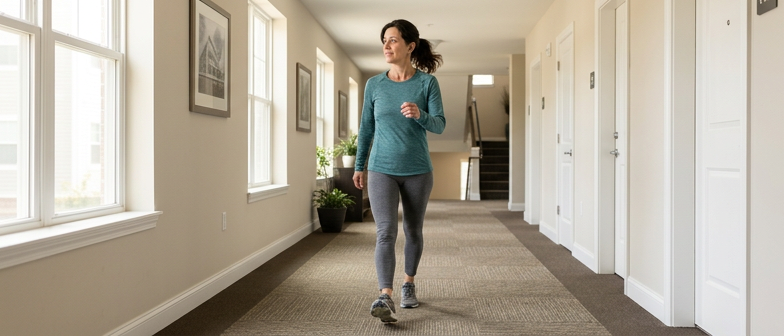
Getting Started With an Indoor Walking Routine
An indoor walking routine is a simple way to move more at home using any safe open space, such as a hallway or living room. This kind of home walking workout focuses on steady, repeated steps rather than speed or long distances, making it a low impact cardio option that is usually gentler on joints than high impact exercise. It can help you sit less, support heart and lung health, and make it easier to meet general activity recommendations over time. Results depend on how often you walk, your pace, and your overall habits such as sleep and nutrition, so keep expectations realistic and see it as one useful tool, not a magic solution.
Before you begin, consider your current activity level and any safety issues. If you have been mostly inactive, start with short, easy walks and increase duration or intensity gradually. Check with a health care professional if you have balance problems, joint pain, heart or lung conditions, or are recovering from illness or surgery. At home, clear clutter, secure loose rugs, wear supportive shoes if needed, and make sure the area is well lit. Notice how your body feels during and after walking, and slow down or stop if you experience unusual discomfort, dizziness, or shortness of breath so your indoor walking routine stays safe and sustainable.
Structuring Your Indoor Fitness Schedule
An effective indoor fitness schedule for walking starts with deciding how often and how long you want to move. Many adults find it practical to plan several short home walking workouts across the week instead of one long session. For a low impact cardio routine, begin with 10 to 15 minutes of brisk indoor walking on most days, then adjust based on how you feel and what your calendar allows. The aim is a repeatable pattern, whether that becomes daily walks or a mix of walking days and lighter movement days.
Once you have a basic weekly plan, match your walking sessions to the natural rhythm of your day. If mornings are quiet, you might schedule a longer indoor walk before work or other responsibilities. When days are busy or unpredictable, splitting activity into two or three shorter walks can be easier, such as one after breakfast and another in the early evening. Using everyday cues like finishing a meal, returning from an errand, or starting a TV show helps anchor your routine and turns low impact cardio into a regular habit.
As your schedule becomes more consistent, you can gradually adjust intensity and variety. Some days might focus on a steady, moderate indoor walking workout, while others include light intervals, such as a minute of faster steps followed by a slower recovery pace. On days when you feel tired or short on time, a brief walk around your space still supports the routine. By listening to your energy level, planning realistic time blocks, and allowing flexibility, you create an indoor walking plan that fits your lifestyle over the long term.
| Weekly Routine Type | Typical Session Pattern | Time & Energy Match | Indoor Walking Focus |
|---|---|---|---|
| Consistent Daily Walker | Single moderate walk most days | Stable schedule, steady energy | Repeatable low impact cardio routine |
| Busy Day Split Sessions | Two short walks linked to daily cues | Variable schedule, limited time blocks | Short home walking workouts across the day |
| Low Energy Recovery Week | Brief gentle walks on several days | Lower energy, need flexible options | Light movement to maintain indoor fitness schedule |
| Interval Variety Plan | Alternating steady and faster segments | Comfortable with mild effort changes | Indoor walking workout with simple intervals |
| Mixed Activity Schedule | Walking days plus lighter movement days | Changing workload or family demands | Balanced low impact cardio with rest-friendly days |
Planning Step Counts and Session Lengths
When you start exploring Indoor Walking Routine Basics at home, think of step counts as a loose guide. First notice how many steps you usually take in a day with a phone, watch, or pedometer. Then add a short home walking workout, such as a five to ten minute walk around your living space, and see how many extra steps it brings. This simple check connects step count planning to your daily habits so indoor walking fits into your routine without strict targets.
As your stamina grows, slowly extend your indoor walking sessions or add one more short walk instead of chasing a big step number. You might keep the same easy pace but walk a bit longer, or slip in a brief movement break between tasks. Over time, these small changes increase total steps and minutes of comfortable activity while letting you adapt the routine to your schedule and any health advice you follow.
Key Walking Posture and Technique Tips
Good posture is a core part of any indoor walking routine. For a comfortable home walking workout, stand tall with ears over shoulders, shoulders over hips, and weight balanced on both feet. Keep your gaze forward to reduce neck and upper‑back strain. As you move, let each step roll from heel to midfoot to toes instead of landing hard or shuffling. This smoother foot placement keeps impact low and is usually easier on the joints during a low impact cardio routine.
Upper‑body position and arm swing help your walk feel natural and steady. Bend your arms roughly at a right angle and let them swing close to your sides in the same rhythm as your steps. Lightly engage your core muscles so your spine stays supported. If your shoulders lift or your back rounds, slow down, reset your posture, and continue. These simple walking posture tips make an indoor session feel more controlled and sustainable.
Pace and stride length turn everyday steps into gentle cardio. Begin at a speed where you can speak comfortably, then increase intensity by taking slightly quicker, not longer, steps. Overstriding, especially in small indoor spaces, can bother knees, hips, or the lower back. When breathing deepens or your heart rate rises but still feels manageable, you are in a light cardio zone suited to most home walking workouts. If intensity climbs too high, shorten your steps, ease your pace, or pause briefly before starting again.
Creating a Safe and Comfortable Walking Space at Home
A simple, safe setup at home makes an indoor walking routine easier to maintain. For a basic home walking workout, choose a clear path with a flat, dry surface, and remove loose rugs, cords, and clutter that could catch your foot. Wear supportive, closed‑toe shoes and clothing that lets your arms swing comfortably to support relaxed posture and reduce strain. If space is tight, walk a short loop in a hallway or around a room, staying aware of doorways, furniture, and pets so obstacles do not surprise you. Good lighting, comfortable temperature, and, if needed, a stable object for balance help you focus on your steps and keep a steady pace as you build your indoor walking routine basics.
Using Short Movement Breaks Throughout the Day
Short movement breaks bring the basics of an indoor walking routine into everyday life. Instead of sitting for long stretches, pause for a few minutes and walk indoors by pacing a hallway, circling your living room, or walking in place. Linking these breaks to regular habits, such as after phone calls, between TV episodes, or during a pause from computer work, makes them easier to remember. Even a brief low impact cardio routine at a mild to moderate effort can ease stiffness and boost alertness without special equipment or large spaces.
These short walks work best when they support a broader indoor fitness schedule rather than replace it. Plan one longer home walking workout most days, then add several mini sessions of two to five minutes whenever you notice you have been still for a while. Across the day, these extra steps help your step count planning feel more realistic when time is limited. Keeping your posture relaxed, shoulders down, and core gently engaged during each break reinforces good walking habits and makes your low impact routine feel more intentional while still fitting into a busy schedule.
Q&A
-
What are the basics of starting an indoor walking routine at home?
Begin with a clear, safe space, comfortable shoes, and a pace that lets you talk but feels slightly challenging. Aim for repeatable sessions rather than quick results. -
How can I turn indoor walking into a simple home workout plan?
Schedule several short walks across the week, such as 10–15 minutes on most days, and adjust the time or pace as it becomes easier or your calendar changes. -
What is a practical way to plan my step count for indoor walks?
Track your usual daily steps, then add one short indoor session and see how many steps it adds. Increase gradually instead of chasing strict targets. -
Which posture tips help keep indoor walking low impact and comfortable?
Stand tall with relaxed shoulders, look forward, and let each step roll from heel to toes. Avoid leaning on your toes or slapping your feet on the floor. -
How can I use short movement breaks as part of my indoor fitness schedule?
Link 3–5 minute walks to daily moments, such as after phone calls or between shows. These brief breaks reduce long sitting periods and add easy cardio to your day.