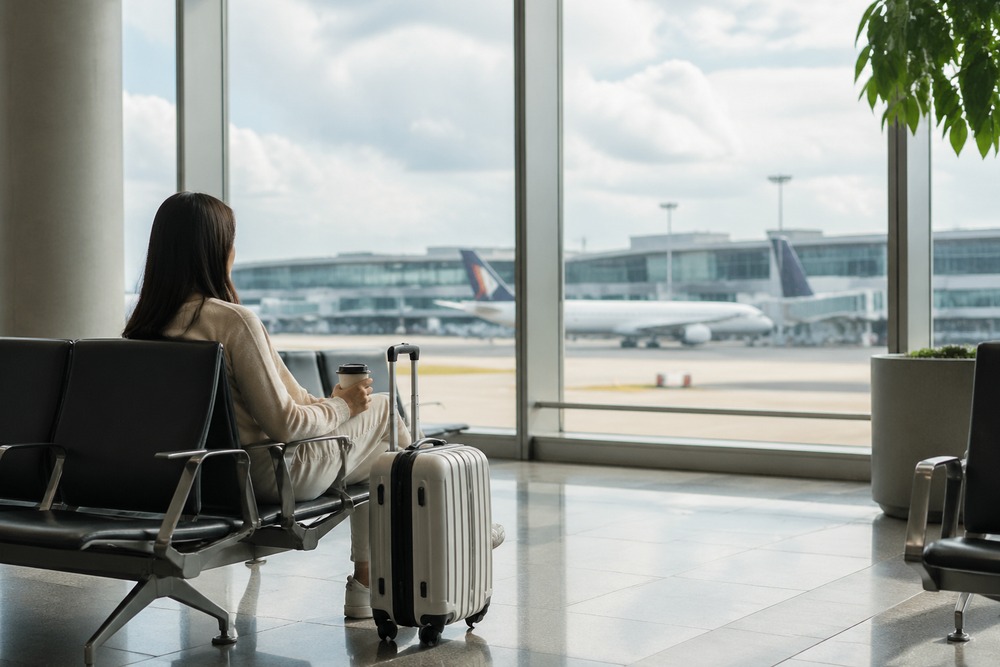
Why Waiting Areas Feel Harder Than They Look
Air travel asks people to move quickly between security rules, crowded terminals, changing announcements, and long stretches of waiting. That combination creates a social space where strangers share power outlets, tables, and silence while carrying very different levels of stress. In that setting, Airport Lounge Etiquette is less about ceremony than about reducing friction. Good habits help people rest, staff work more smoothly, and the room feel less tense.
Quiet Travel Spaces are rarely silent, but they become noticeably easier to use when passengers make small adjustments. A phone call taken away from dense seating, a speaker kept off, or a roller bag tucked close to a chair protects more comfort than many people realize. Travelers often focus on their own timetable, yet the atmosphere around them is shaped by dozens of these small choices. Shared waiting areas work best when people remember that convenience and courtesy are connected.
How Small Signals Create Shared Comfort
Most lounge conflicts do not begin with dramatic behavior. They start with unclear boundaries. A coat placed across a neighboring chair may look temporary to one person and exclusionary to another. A traveler stretching across a table may simply feel tired, but the same posture can make the space seem unavailable. Shared Seating Courtesy means sending clear signals that a seat, outlet, or table can still be used unless there is a real reason otherwise.
Body language matters because waiting spaces are built on quick reading. People scan for open chairs, quiet corners, and signs of order. If a group keeps belongings compact and leaves pathways open, others can move without second-guessing. If someone needs deeper rest, they can still create space respectfully by choosing a less central spot and keeping personal items contained. Courtesy does not eliminate crowding, but it makes crowding easier to manage.
Why Carry-On Choices Affect the Whole Room
Carry-On Organization is usually discussed as a personal efficiency skill, yet it also affects everyone nearby. Bags that must be reopened again and again spill items into shared zones, block feet, and slow down movement when boarding calls begin. A traveler who knows where their charger, document pouch, sweater, and water bottle are located usually takes up less mental and physical room.
The most considerate travelers tend to build layers into their bag rather than treating it like a deep container of unrelated items. Items needed during the wait stay easy to reach, while items needed later stay packed. That approach supports calmer Travel Rest Routines because people are not constantly reshuffling belongings. It also helps when seats are close together. Less rummaging usually means less noise, less elbow movement, and fewer objects drifting into someone else's space.
| Waiting Habit | Likely Effect on the Room | Why It Matters |
|---|---|---|
| Compact bag placement | Keeps walkways readable | Reduces hesitation and accidental contact |
| Headphones for media | Protects a calmer atmosphere | Makes shared rest easier |
| One-seat footprint | Signals availability to others | Improves fairness in crowded periods |
| Ready access to essentials | Limits repeated unpacking | Creates smoother boarding transitions |
Long Layovers Need a Different Rhythm
Long Layover Comfort is not the same as short gate waiting. When people expect to remain in one area for an extended stretch, they often try to build a temporary nest. That instinct is understandable, but it can expand into clutter and territorial behavior if it goes unchecked. The better approach is to create a stable personal routine without overtaking a public setting.
A useful rhythm is to alternate between seated rest, light movement, hydration, and brief organization resets. Travelers who stand up periodically, dispose of packaging, and repack loose items often feel more settled than those who remain fixed in one position while their area grows messier. This pattern also benefits everyone around them. A cleaner seat zone makes it easier for newcomers to judge what is free and helps staff maintain the room without interrupting people.
Boarding Habits Start Before the Announcement
Boarding Time Habits are formed long before a queue appears. People who wait until the last moment to locate their pass, close a laptop, or consolidate loose items usually create sudden pressure around them. By contrast, travelers who prepare gradually can stay seated longer and join the flow without a dramatic scramble. Calm preparation supports both efficiency and dignity.
There is also a social benefit to delayed crowding. When passengers do not rush to stand long before their group is called, aisles remain open and the room feels less urgent. This is especially important in mixed spaces where some travelers need more time to move. The most helpful boarding behavior is often invisible: being ready without making everyone else feel they must rush too.
A Better Atmosphere Is Built Collectively
People often imagine etiquette as a set of polished gestures, but in travel it is more practical than that. It is a way of sharing limited comfort fairly. Thoughtful noise control, clear seat use, tidy bag placement, and steady preparation all contribute to a more humane waiting experience. None of these habits requires luxury access or unusual discipline.
What matters most is remembering that waiting areas are transitional spaces for everyone, not extensions of private routines. When travelers treat them with that mindset, the room becomes easier to navigate, easier to clean, and easier to rest in. The result is not perfection. It is simply a public environment that works with less strain.
Questions Travelers Often Ask
Is it rude to save an extra chair for a bag?
It depends on crowding, but in busy periods an unused seat is usually more valuable as seating than storage. Keeping a bag under or beside your own chair is the more considerate choice.
How can someone rest without seeming unfriendly?
Choosing a quieter corner, keeping belongings contained, and using headphones communicates a wish for calm without blocking access for others. Clear boundaries are easier to respect than vague ones.
What is the best way to handle a long phone call?
Moving away from dense seating is ideal. Even a soft voice can feel intrusive in a room where many people are trying to read, nap, or work quietly.
Why does bag organization matter so much in a lounge?
Good organization reduces repeated unpacking, keeps shared space cleaner, and makes boarding smoother. It turns private efficiency into a public courtesy.
Should travelers stand as soon as boarding begins?
Usually it is better to prepare first and move when your group can realistically join the line. That keeps pathways open and reduces unnecessary crowd pressure.