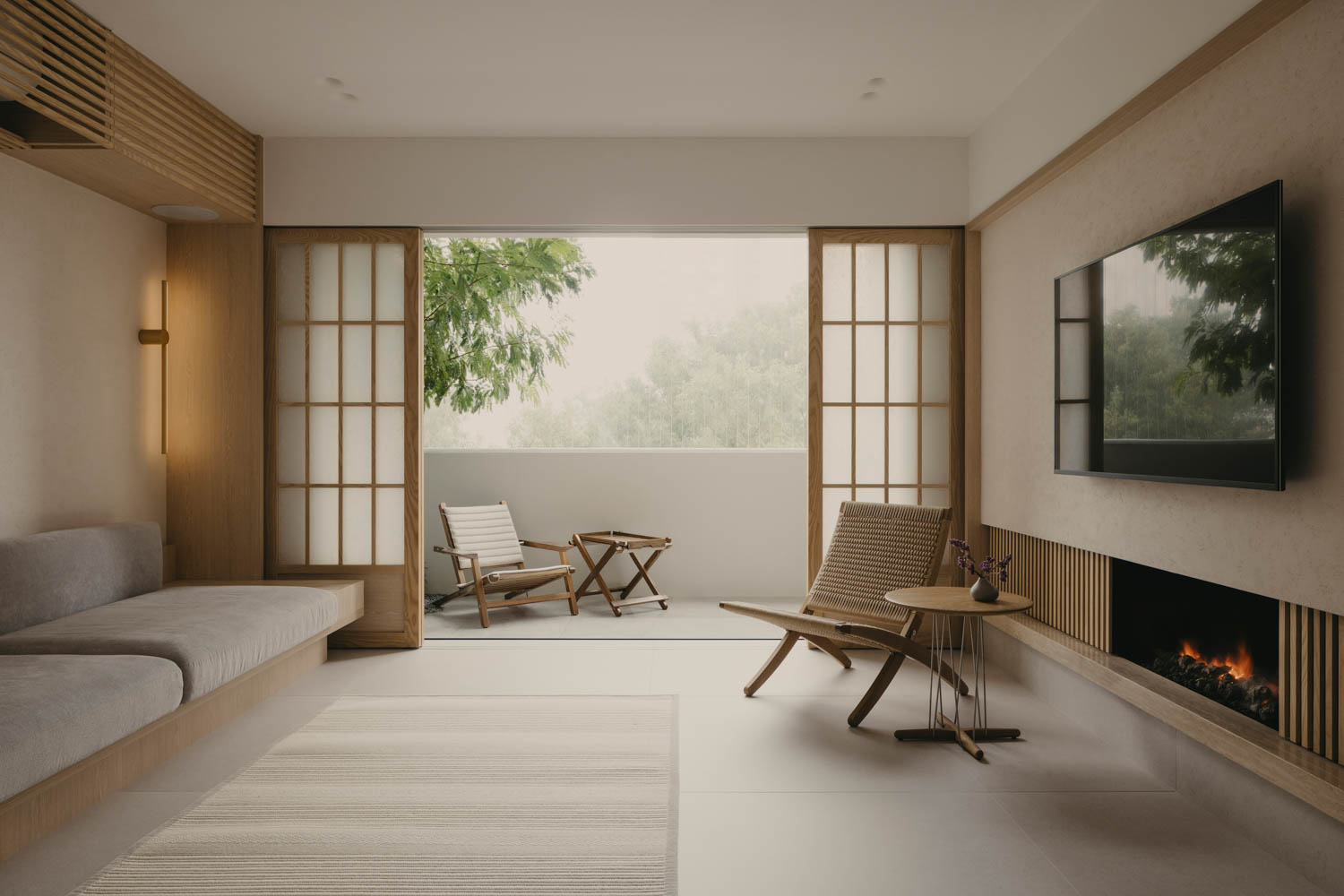
How surroundings quietly shape mood and focus
When every corner whispers “you’re behind”
It is hard to feel settled inside when everything around you feels busy or overflowing. A crowded room pulls on attention in dozens of tiny ways: that stack on the table corner, the bag of “sort later” clothes on the floor, the cupboard that has to be forced shut. Each glance adds a silent reminder: “this still isn’t dealt with.” Over time, the body reacts before the mind does. Shoulders tighten as you walk in, your step speeds up, your tone becomes sharper, and bedtime turns into a quick scan of all the messy corners. Rest never quite feels like rest, because visually nothing says “it’s done for today.”
Clearer rooms, calmer breathing
Walking into a clean, simple room with some empty surfaces often slows the breath without any effort. Fewer objects mean fewer micro‑decisions, fewer “I should really…” thoughts running in the background. The brain is no longer fighting a wall of visual reminders, so it can land on one book, one meal, one conversation. This does not require a perfect, magazine‑ready space. It simply asks that what you see most often is either in use, loved, or genuinely helpful right now, instead of being a monument to past plans and postponed tasks.
A softer approach to “less”
Living with less is not about stripping life down to a mattress and a single chair. It is about making the relationship with your surroundings more honest. You might ask: what do I reach for most days? What just sits there, asking for dusting and guilt? Starting with one shelf, one drawer, or one small surface is enough. The point is not to impress anyone with how little you own, but to reduce the background noise in your environment so your nervous system can catch a break and your attention can rest.
Lightening your home without punishing yourself
Start with one tiny, visible win
Instead of a grand “whole house clear‑out,” pick a tiny spot that affects you every day: the bedside table, bathroom counter, or a slice of your desk. Keep only what you actually use or can name a clear purpose for. Everything else goes into a labelled “not sure yet” box, stored out of sight but still accessible. Vision clears immediately, and you avoid the panic of “I threw it out too fast.” After a few months, anything you never reach for has quietly answered the question for you.
Let your body set the pace
While sorting, you might suddenly feel a wave of resistance: “I’m done, I don’t want to decide about another thing.” That is not laziness; it is your capacity meter. Pushing past that point usually leads to regret and rebound clutter. Pausing there, even if you have only cleared one drawer, builds trust. Instead of one exhausting purge you never repeat, you create an ongoing habit of gentle review, adjusting as your life changes rather than trying to “fix” everything in one heroic weekend.
Leave room for joy, not just function
A pared‑back room does not need to be cold. A small corner for cherished photos, art, or travel mementos can lift your mood every time you look at it. The difference is that these objects earn their place by delighting you, instead of being there because you never questioned them. Minimal living is not anti‑decoration; it simply asks that what you keep either serves you or warms you, instead of quietly draining space, time, and care.
| Corner of the home | Helpful focus question | Likely action for most people |
|---|---|---|
| Entryway | “What do I actually use when leaving or arriving?” | Remove extra shoes, bags, random mail |
| Desk area | “What do I need for today’s work only?” | Clear tools, create one working zone |
| Bedside | “What supports winding down, not waking up?” | Keep lamp, book, water; move devices |
| Bathroom counter | “What do I reach for daily?” | Store backups, keep current basics |
A few focused questions in the right spots often change the whole feeling of a room faster than any storage product.
Daily rhythms that feel spacious, not strict
One small anchor instead of a perfect routine
When home feels lighter, attention turns naturally to time. Many people respond by drafting a flawless schedule: early wake‑up, long workout, reading, screens off, perfect meals. After a few days, it collapses under its own weight. A kinder route is to choose one fragile, chaotic time of day—perhaps late evening or the hour after work—and give it a single, realistic anchor activity. That might be clearing the table, writing three lines in a notebook, or taking a short walk. Consistency matters more than ambition; that one small promise kept to yourself quietly rebuilds confidence.
Fewer decisions, more ease
A lot of daily exhaustion comes from tiny, repeated choices: what to wear, what to eat, where to start. You can lighten this load by pre‑deciding a few things. Rotate a small set of outfits that all match; keep simple go‑to breakfasts; group similar tasks into blocks instead of scattering them. These small structures free up mental space for work, creativity, and relationships. Life does not become rigid; it simply has fewer friction points, which makes it feel smoother from the inside.
Creating a gentle “buffer zone”
Before sleep, many people slide from bright screens straight into bed, carrying unfinished conversations, headlines, and alerts into the night. Introducing a short “low‑input” period can change this. For the last half hour before bed, avoid new information and new tasks. Do repetitive, calming actions: tidy one small surface, lay out tomorrow’s clothes, rinse cups. These quiet gestures tell your body it is safe to slow down. Over time, this small buffer often improves sleep more than any complicated night routine.
Choosing where your time and attention truly go
Saying “yes” more carefully
Digital invitations, social plans, and work requests multiply quickly. Much of the resulting fatigue comes from saying “yes” by default. Before agreeing to something, pause long enough to ask: if I take this on, what will I inevitably do less of this week? Rest? Movement? Time with someone important? If the trade‑off feels too steep, a polite “not this time” protects both your energy and the quality of commitments you do choose.
Letting some noise pass by
Information can clutter life as heavily as objects. Streams of updates, opinions, and entertainment nibble attention into fragments. Setting soft boundaries—such as checking news or feeds only in a chosen window—helps. Outside that window, gently guide your focus back to what is physically near: the room you are in, the task in front of you, the person you are with. This shift from scattered scanning to present noticing often restores a sense of texture and meaning to ordinary moments.
Protecting small pockets of nothing
Unscheduled time can feel uncomfortable at first, as if you are “wasting” opportunities. Yet those loose minutes are often when ideas settle and emotions catch up. A walk without headphones, a quiet tea break looking out a window, or sitting in a cleared‑off chair doing nothing in particular can be surprisingly restorative. The aim is not to optimise every pause, but to leave room for unplanned thought and simple being, so the day stops feeling like one long chase.
| Situation | Gentle question to ask yourself | Possible protective choice |
|---|---|---|
| New social invite | “Will I leave feeling nourished or depleted?” | Accept fewer, deepen chosen ones |
| Extra task at work | “What must be dropped to fit this in?” | Negotiate scope or timing |
| Late‑night messaging or scrolling | “Am I resting or postponing tiredness?” | Shift to offline, low‑input activity |
| Buying something “on sale” | “Where will this live, and what will it replace?” | Delay purchase, reconsider need |
These micro‑questions gradually retrain instinct from “more, faster” toward “fewer, kinder.”
Allowing life to be quieter, yet fuller
When “good enough” is the real luxury
Real homes in English‑speaking cultures are often busy: children, pets, shared spaces, work gear. Expecting everything to stay photo‑ready only sets up constant disappointment. A more helpful aim is “good enough to breathe and find things.” That might mean some toys in sight, a few dishes waiting, a coat on a chair—yet clear walking paths, a usable table, and one calm corner to land in. Giving up the fantasy of perfection makes it easier to keep showing up for the simple, repeatable care that truly supports daily life.
Letting the simple things count
When there is a little more room on shelves and in schedules, previously “small” experiences start to matter more: finishing a chapter without interruption, cooking one uncomplicated meal, talking without glancing at a device, folding laundry in a room that does not feel chaotic. These are not dramatic achievements, but they quietly build a sense that life is livable, not just survivable. Over time, they add up to a steadier mood than any burst of extreme productivity or drastic purge.
Returning to balance again and again
There will always be busy weeks, messy days, and evenings when the sofa wins over any noble plan. Rooms will slip back into clutter; inboxes will swell. The point is not to avoid these swings, but to notice sooner and return more kindly. A short reset—clearing one surface, cancelling one non‑essential plan, stepping outside for ten slow breaths—can be enough to turn the direction of a day. With practice, that ability to “come back” becomes its own quiet strength, helping you trust that, no matter how noisy the world becomes, you can always create a bit of space to move and to rest.
Q&A
-
How can I start applying Simple Home principles without doing a massive clean‑out?
Begin with one small zone a day—like a drawer or a shelf—using a 10‑minute timer. Remove what you don’t use weekly, rehome what you keep, and stop when the timer ends to avoid burnout. -
What are some realistic Declutter Tips for busy people with little time?
Use the “one in, one out” rule, keep a donation box by the door, and do 5‑minute nightly resets in key areas like the kitchen counter and sofa instead of relying on weekend marathons. -
How can a simple Daily Routine support a Calm Environment at home?
Anchor three micro‑routines to existing habits: a 3‑minute morning bed‑making, a post‑dinner kitchen reset, and a pre‑sleep pick‑up, turning calm into an automatic outcome rather than a project. -
What does Mindful Consumption look like in everyday shopping decisions?
Pause before buying and ask if you’ll use it weekly, have a place for it, and can maintain it. Delay non‑essential purchases 24 hours; often the urge passes and clutter never enters your home. -
How do Simple Home habits contribute to long‑term Life Balance?
By owning less and maintaining simple systems, you free time, energy, and money for relationships, rest, and meaningful work, reducing decision fatigue and making your home a supportive base, not a burden.