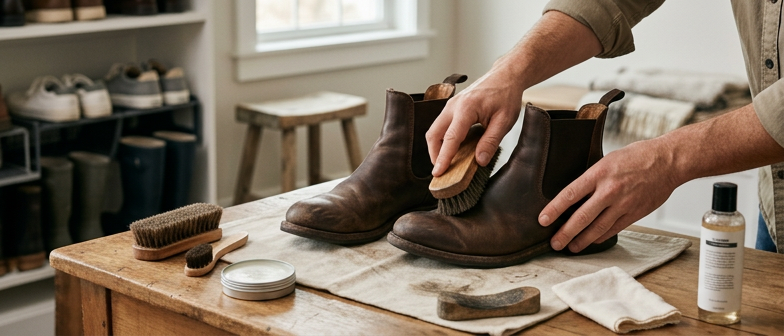
Why Shoe Care Matters and Basic Principles
Shoe care is about protecting the materials so they stay comfortable, presentable, and structurally sound for as long as reasonable. Regular dusting, cleaning, and gentle drying slow down wear from sweat, dirt, and weather, which gradually damage leather, fabric, and adhesives. Well‑maintained footwear is more likely to hold its shape, support your feet evenly, and feel better during daily use. This does not mean every pair can be restored to look new, especially if soles are worn or uppers are cracked, but steady attention can delay those problems and extend usable life.
A few basic principles apply to most everyday shoes. Remove loose dirt and debris gently instead of scrubbing hard, which can scratch leather or rough up delicate fabrics. Let shoes dry slowly at room temperature after use, avoiding direct heat that can stiffen leather and weaken glue. Alternate pairs so each one can air out between wears to limit moisture and odor. When using cleaners or conditioners, choose products and tools suited to the material, and test them on a small, less visible area first, since colors, finishes, and stitching may react differently.
Leather Shoe Care Essentials
Basic care for leather shoes starts with regular cleaning. After wearing, let shoes cool and dry at room temperature, then brush or wipe away surface dust and dirt with a soft cloth or shoe brush. For heavier buildup, use a small amount of mild leather cleaner in light circular motions, avoiding soaking or harsh scrubbing. Always test new products on a hidden area first, as finishes and dyes can react differently. Once cleaned, allow the shoes to dry naturally away from direct heat, which can cause cracking or warping.
Conditioning keeps leather flexible and slows drying, but it does not repair deep cracks or severe damage. A thin layer of cream or conditioner made for smooth leather is usually enough; too much product can clog pores, attract dust, and feel sticky. Work it in with a soft cloth, let it absorb as the label suggests, then buff lightly to remove residue. Many pairs worn regularly can be conditioned every few weeks, but needs vary with climate, use, and leather finish.
Polishing adds shine and some surface protection, yet it cannot make heavily scuffed or deeply scratched shoes look new. Apply a small amount of wax or cream polish that matches the color, or use a neutral option if unsure, working in small circles with a cloth or applicator brush. Once dry, buff with a clean brush or cloth to the desired luster, avoiding over-buffing delicate finishes. Edge dressing and occasional professional work can improve the look of soles and heels, while loose soles, torn seams, or misshapen toes usually require repair by a skilled cobbler or replacement.
| Product or Tool | Main Purpose | Best For | Key Limitations |
|---|---|---|---|
| Mild leather cleaner | Remove built-up dirt | Heavily soiled smooth leather | Can dry or discolor if overused |
| Leather cream conditioner | Maintain flexibility | Regularly worn leather shoes | Does not fix deep cracks or tears |
| Wax polish | Add shine and surface protection | Dress shoes needing gloss | Limited effect on deep scuffs |
| Cream polish | Even out color and light scuffs | Shoes with mild color fading | May not match aged or unusual finishes |
| Soft shoe brush | Daily dusting and buffing | Routine Shoe Care | Cannot remove ingrained stains |
Choosing and Using Shoe Cleaning Brushes
Choosing a shoe cleaning brush starts with the upper material. For smooth leather, a medium soft horsehair or other natural bristle brush lifts dust and dried dirt without scratching, and can also work cream polish into the surface. For textured leather or seams, a smaller dauber or welt brush helps reach tight areas, but the bristles should still flex rather than feel sharp at the tips.
Suede and nubuck need softer, specialised tools such as rubber or crepe brushes that raise the nap without cutting the fibres. Use light, repeated strokes instead of heavy pressure, and move in one direction on delicate finishes to reduce streaks. Knock debris out of the brush regularly, and keep separate brushes for dark and light products to limit unwanted colour transfer.
Caring for Suede and Other Delicate Uppers
Soft, fibrous uppers such as suede, nubuck, and some uncoated textiles are more vulnerable to moisture, abrasion, and staining than smooth leather, so they need gentler care. Instead of all-purpose cleaners or heavy polishes, they are usually maintained with dry methods: dedicated suede brushes, crepe rubbers, and mild cleaners made for porous materials. A brush with soft brass or nylon bristles can lift the nap, loosen dry dirt, and restore texture, while a rubber block or eraser can reduce shiny spots or minor scuffs. Because these materials absorb liquid quickly, soaking them or scrubbing with a wet cloth can cause spreading stains, water marks, and changes in texture that are hard to reverse.
Many marks on delicate uppers can be reduced but not fully removed, especially if stains have set, color has faded from sun exposure, or the surface has been worn down. Gentle, repeated passes with a suitable brush are usually safer than trying to scrub everything out at once. After cleaning, letting shoes air dry away from direct heat helps limit stiffening and discoloration. Light use of protective sprays designed for suede and similar materials can make future cleaning easier, but they do not make shoes stain-proof and may slightly alter color or feel, so testing in a hidden spot is sensible. For deep oil stains, heavy dye transfer, or major damage, a professional repair shop may be better placed to judge what improvement is realistic.
Safe Suede Cleaning Techniques at Home
Let suede shoes dry naturally, then brush gently in one direction with a suede or soft brush to lift surface dirt instead of grinding it in. Use light, repeated strokes and avoid water or household cleaners, which can lead to discoloration, stiffness, or visible tide marks. If the nap looks shiny or flattened, you can brush lightly in different directions to raise it, but stop if the surface starts to look rough or fuzzy.
For small dry marks, use a suede eraser, clean pencil eraser, or rubber block, rubbing gently until the stain fades, then brush to even out the texture. For oily or uncertain stains, only use dedicated suede products after testing on a hidden area and following the instructions. When stains are large, deep, or the shoes are costly or sentimental, seeking a professional cleaner is usually safer than further home experiments.
Maintaining Shape, Dryness, and Daily Comfort
Keeping shoes in good condition between wears starts with supporting their shape. For leather and many fabric styles, a well fitting shoe tree smooths creases as the material cools and dries. Wooden versions, such as cedar, also absorb some interior moisture and can lessen mild odor, while plastic models mainly hold the form. The tree should fill the shoe without stretching it, so choosing an appropriate size and inserting it gently from the heel forward helps avoid loosening seams or distorting the toe box.
Safe drying is another basic part of shoe care. Direct heat from radiators, fireplaces, hair dryers, or tumble dryers can crack leather, weaken glue, and warp synthetic parts. A safer approach is to remove insoles if possible, loosen laces, and let shoes air dry at room temperature in a ventilated place, away from strong sunlight. Lightly stuffing the toes with plain dry paper can help draw out moisture, but the paper should be replaced once damp so it does not trap humidity inside.
Daily comfort depends on dryness and realistic expectations about what can be managed at home. Rotating pairs so each can dry fully, wearing clean socks suited to the activity, and occasionally wiping linings with a slightly damp cloth before allowing extra drying time can keep shoes feeling fresher. Airflow from a nearby fan or the use of removable insoles may reduce moisture, yet they will not fully prevent wear, discoloration, or long term odor in heavily used shoes. When smell, staining, or structural problems persist, professional repair or replacement may be the more practical option.
Q&A
-
Why does basic shoe care matter?
Routine cleaning and gentle drying slow wear from sweat, dirt, and weather, so shoes keep their support, look tidier, and stay comfortable longer, even though serious damage or worn soles cannot be fixed at home. -
How should I care for leather shoes after a normal day?
Let them rest at room temperature, then wipe off dust with a soft cloth or leather brush. If needed, use a small amount of mild cleaner, test it on a hidden area, and keep the shoes away from direct heat while they dry. -
What kind of brush should I use on smooth leather?
A medium soft horsehair or other natural bristle brush usually removes surface dirt and helps apply cream polish, while a small welt brush can reach seams if the bristles flex instead of scraping. -
How can I clean suede shoes safely at home?
Let them dry fully, then brush gently in one direction with a suede or other soft brush. For flattened nap, vary the direction lightly and avoid water or household cleaners that may leave stains or stiff areas. -
How should I dry and store shoes between seasons?
Let shoes dry at room temperature with good air flow, away from heaters, then insert shoe trees to support the shape. For seasonal storage, keep them clean, fully dry, and in a breathable container away from sunlight and high humidity.