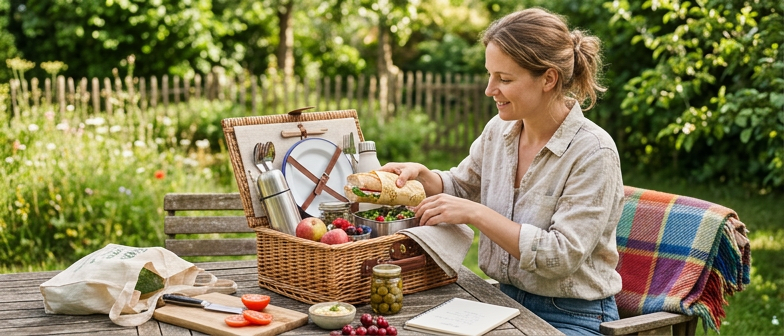
Why Simple Picnic Meal Planning Matters
Simple picnic meal planning is not about a complicated menu but about making a few smart choices before you leave home. When you think through your outdoor lunch preparation, you decide what travels well, what people actually enjoy, and how much food handling you want to do once you arrive. A little structure helps you avoid last-minute stress, prevents you from forgetting essentials like drinks or napkins, and makes it easier to relax once you spread out the blanket. With a basic plan, you can balance fresh options with a few treats, pack portions that fit your group, and keep the focus on being outside rather than worrying about the meal.
Planning ahead also supports budget friendly picnic meals, because you can build your basket around simple ingredients, leftovers, or items already in your pantry instead of relying on impulse buys. Thinking in advance about sandwiches, salads, and easy snacks means you buy only what you need and portion it sensibly for families, couples, or small groups. This calm, organized approach helps you cut down on food waste, choose items that are easy to transport and store safely, and enjoy an outdoor meal that feels relaxed without being expensive or time-consuming.
Planning a Balanced and Practical Picnic Menu
Simple picnic meal planning starts with deciding how much food you truly need and how it will travel. Think about who is coming, how long you will be out, and whether you have cooling or shade. Aim for a mix of carbohydrates, protein, and fresh produce so everyone stays satisfied without feeling weighed down. Sandwiches, wraps, grain salads, and cut vegetables hold up well in a basket or cooler and are easy to portion. When you keep the plan straightforward, you reduce food waste, limit preparation time, and make packing up easier.
Choose one or two main dishes that are easy to serve without extra equipment, then add simple sides and snacks. Filled rolls, pasta salad, or roast chicken pieces can be the core of the meal, while fresh fruit, crunchy vegetables, and a small cheese selection round it out. Look for easy picnic food ideas that rely on sturdy ingredients, such as firm breads, whole fruits, and salads dressed just before serving to prevent sogginess. Try to overlap ingredients across dishes, for example using the same salad leaves or vegetables in wraps and sides, which keeps shopping simple and supports budget friendly picnic meals.
To keep costs and effort under control, plan drinks and treats with the same practical mindset. Water, diluted juice, or homemade iced tea are usually more economical than individual bottles and create less packaging to carry home. Choose a few snacks that can double as part of the main meal, such as nuts or hummus with vegetables, instead of packing many separate options. This kind of outdoor lunch preparation helps you balance taste, variety, and nutrition without overspending or overpacking, so your menu feels relaxed and enjoyable rather than complicated.
| Picnic outing type | Mains to consider | Sides & snacks | Drink approach |
|---|---|---|---|
| Short park visit | Simple sandwiches or wraps | Cut vegetables, whole fruit | Pre-filled water bottles |
| Half-day family picnic | Filled rolls, roast chicken pieces | Pasta or grain salad, cheese | Large bottle juice or iced tea to share |
| Full-day outing with kids | Sturdy wraps, bean or pasta salad | Fruit pieces, nuts, hummus with vegetables | Water plus one flavored option |
| Budget conscious meetup | Grain-based salads, shared sandwich loaf | Seasonal fruit, basic crackers | Tap water in reusable bottles |
| Shaded cooler-friendly trip | Chicken pieces, dairy-based salads | Yogurt, cut fruit in containers | Chilled water and diluted juice |
Easy Picnic Food Ideas for Mains and Sides
For relaxed outdoor lunch preparation, choose main dishes that travel well, taste good at room temperature, and do not need special equipment. Sturdy sandwiches on crusty bread filled with cheese, roasted vegetables, or cold roast chicken hold up better than soft rolls. Pasta or grain salads with beans, chopped vegetables, and a light vinaigrette are budget friendly picnic meals because they stretch simple ingredients and keep well. Frittatas or thick egg muffins, baked in advance and sliced, also make satisfying mains that pack neatly in one container.
To round out your simple picnic meal planning, add sides that balance freshness and convenience. Vegetable sticks with hummus, green salads in individual containers, and fruit salads made from seasonal produce bring color and texture without much cost. Cold roasted potatoes, marinated beans, or couscous with herbs can be prepared a day ahead, saving time on the morning of your trip. Repeating ingredients across mains and sides keeps shopping simple, reduces waste, and makes packing easier.
Fresh Snack Packing Tips and Drinks
For simple picnic meal planning and easy outdoor lunch preparation, choose fresh snacks that travel well. Wash and dry fruit and vegetables, then slice and pack them in shallow containers so they do not bruise or leak. Pair crunchy foods such as whole grain crackers or nuts with softer options like cheese cubes or hummus, keeping each item in a separate container until serving so textures stay appealing. Use ice packs around yogurt, cut fruit, and deli items, and keep the cooler closed so these quick picnic foods stay chilled and safe.
To keep snacks fresh, fill containers nearly to the top to limit air, use clear boxes so you can see what you packed, and label anything that contains common allergens. Pack napkins, wipes, and a small trash bag near the snacks so hands and surfaces stay clean. For drinks, choose spill resistant options such as water in reusable bottles, chilled juice boxes, or unsweetened iced tea in tightly sealed flasks, and store them with perishable snacks so everything stays cool and easy to serve.
Safe Food Storage Habits for Outdoor Lunches
Safe food storage is a key part of simple picnic meal planning because it keeps outdoor lunches enjoyable instead of stressful. Before you leave home, chill everything that needs to stay cold, including salads, cooked meats, dairy products, and cut fruit, and move them straight from the refrigerator into insulated bags or coolers packed with ice packs so meltwater does not soak packaging. Keep shelf-stable drinks, such as sealed water or juice boxes, in a separate bag so you open the cooler less often and help cold food stay at a safe temperature.
Good outdoor lunch preparation also means separating foods that are ready to eat from items that might carry raw juices. Keep raw meat, poultry, or seafood in tightly sealed containers or leakproof bags at the bottom of the cooler, away from sandwiches, fruit, cheese, and snacks. Use different containers and utensils for raw and cooked foods, do not reuse marinades or plates that touched uncooked ingredients, and if you grill at the picnic spot, pack cooked food in clean dishes and return leftovers only to containers that never held raw items.
Time and temperature matter once you arrive, especially in warm weather. Keep the cooler in the shade, open it only when needed, and close it again right away so chilled food stays cold longer. As a general habit, avoid leaving perishable foods out for more than about two hours, or less in very hot conditions, and put what you are not serving back on ice between helpings. When planning simple picnic meal ideas, rely on sturdy options like whole fruit, nuts, and firm vegetables, and be willing to throw away anything that has been sitting out too long to support safe food storage habits every time you pack a picnic.
Handling and Serving Food Safely Outdoors
Safe food storage habits should continue right up to serving time. Keep chilled foods in a cooler with plenty of ice packs, opening it only when needed so the cold air stays inside. When you are ready to eat, take out just what you will serve and return leftovers to the cooler quickly, instead of leaving full containers on a warm blanket. Hot items should stay in insulated containers and be eaten soon after opening so they do not sit in the temperature range where bacteria grow easily. During outdoor lunch preparation and serving, ask everyone to wash or sanitize their hands before touching shared dishes, and use separate utensils for raw and ready-to-eat foods if you are cooking on-site. Encourage guests to serve food onto their own plates and cover dishes between helpings. If cold foods have been out for about two hours, or less in very hot weather, it is safer to throw them away than try to re-chill them.
Q&A
-
How can simple picnic meal planning make the day feel more relaxed?
Planning a basic menu and portions in advance means less food handling on-site, fewer forgotten items, and more time to enjoy being outdoors instead of organizing lunch at the last minute. -
What does a balanced, practical picnic menu usually include?
Aim for a mix of sandwiches or wraps for carbohydrates, fillings like cheese, beans, or lean meats for protein, and plenty of raw vegetables and fruit for freshness and lighter eating. -
What are some easy main dishes and sides that travel well?
Crusty sandwiches with sturdy fillings, pasta or grain salads with a light vinaigrette, and sliced frittatas all hold up well, pack neatly, and are comfortable to eat at room temperature. -
How should I pack fresh snacks and drinks so they stay appealing?
Dry washed produce thoroughly, pack it in shallow containers, keep dips or cheese separate until serving, and surround chilled snacks and drinks with ice packs in an insulated cooler. -
What are the most important safe food storage habits for a family picnic?
Chill perishable foods before packing, use insulated coolers with plenty of ice packs, open them only when needed, keep hot foods in thermal containers, and discard cold dishes left out for about two hours or in very hot weather.