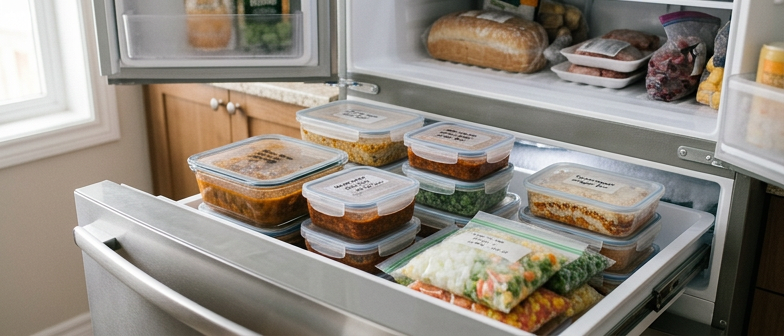
Why a Freezer Meal Labeling System Matters
A clear freezer meal labeling system is the backbone of practical freezer meal organization. When every container is marked with the name of the dish, key ingredients, and simple heating or serving notes, it becomes easier to see what you have and choose meals that fit your plans. Good labels prevent mystery containers and forgotten food at the back of the freezer, which often leads to waste. By treating labels as part of meal prep rather than an afterthought, you turn your freezer into a reliable extension of your kitchen, where cooked meals and ingredients are stored in a way that makes sense at a glance.
Accurate meal date tracking is another reason labeling matters. Recording when a meal was cooked or frozen supports safer storage, because you can judge how long items have been kept and decide what to use first. This simple habit works alongside basic food safety guidance by reducing the chance that older food is eaten after too long in storage. A well‑labeled freezer helps you rotate meals logically, plan menus around what is already on hand, and make better use of your batch cooking, so the time and ingredients you invest are more likely to result in meals that are enjoyed and safely stored.
Core Elements of Effective Food Storage Labels
An effective food storage label is the core of any reliable freezer meal labeling system because it turns a frozen container into a clearly identified meal with a known history. At a minimum, labels should show what the food is, the date it was prepared or frozen, and any key notes such as reheating instructions or allergen information. Clear meal names avoid confusion when similar dishes share the freezer, and consistent meal date tracking makes it easier to decide what to use first and keep food within recommended storage time. Writing dates in the same format and placing them where they can be seen at a glance supports simple rotation. Many households also add portion size or number of servings, which helps with meal planning and prevents thawing more food than is needed.
A freezer meal labeling system also depends on how well each label survives cold, moisture, and handling. Using durable materials such as freezer tape or labels designed for low temperatures reduces the risk of ink smudging or stickers falling off, and permanent markers keep information readable over time. Placing labels on a flat, visible area of the container and keeping the wording brief but specific makes it easier to scan shelves and supports overall freezer meal organization. When labels follow a consistent layout and language, everyone in the household can understand them quickly, return items to the right spot, and check dates before thawing, creating a practical system for safe, efficient use of the freezer.
| Label Detail | Primary Purpose | Organization Benefit | Safety / Usefulness Level |
|---|---|---|---|
| Meal name | Identify dish quickly | Reduces mix‑ups between similar meals | High |
| Preparation / freeze date | Track how long food has been stored | Supports simple rotation of older items | High |
| Reheating or serving notes | Guide thawing and reheating steps | Helps choose suitable meals for busy days | Medium |
| Allergen or key ingredient notes | Alert household to common sensitivities | Simplifies meal choices for different diets | High |
| Portion size / servings | Match thawed amount to planned meal | Prevents thawing more than needed | Medium |
| Consistent label layout | Keep information in predictable spots | Makes shelves easier to scan and restock | High |
Choosing Label Materials and Placement
Choose food storage labels made for low temperatures, since ordinary paper stickers can loosen or smear in moisture and ice. Smooth plastic, glass, and metal usually hold adhesive labels better than textured containers, so test a few options before setting up your freezer meal organization system. If you rely on reusable containers, look for wipeable surfaces or clip-on tags that let you update information without sticky residue.
Place each label on a flat, easy-to-see area so you can identify meals without shifting stacks of containers. Avoid seams where frost builds up and write on labels before freezing, using a permanent marker that resists moisture so dates and contents stay clear during storage and thawing. Keep placement consistent, such as always on the front or lid, to scan your freezer quickly.
Building a Simple Freezer Inventory Checklist
A freezer inventory checklist is a companion to your freezer meal labeling system that keeps freezer meal organization clear and manageable. Instead of relying on memory, you record what goes into the freezer using the same wording and dates that appear on your food storage labels. The checklist can be a sheet on the freezer door, a small notebook, or a digital note, as long as it is easy to see and update. Each entry includes the meal name, container type, number of portions, and the date it was frozen to support consistent meal date tracking. When you prepare new meals, batch cook, or freeze leftovers, add them right away so the written inventory matches what is on the shelves.
Keep the checklist useful by updating it every time you take something out or rearrange items, crossing off finished meals or adjusting portion counts. Group meals by category, such as dinners, sides, and breakfasts, to find items faster and notice gaps or duplicates. This simple overview reduces forgotten packages buried at the back of the freezer, which cuts waste and helps you use frozen food safely. Over time, the checklist shows how quickly you use certain dishes, guiding future planning and how you label and store meals. When labels and the inventory list work together, you spend less time guessing what is available and more time using what you have.
Linking Inventory to Day-to-Day Meal Planning
A simple freezer inventory checklist becomes most useful when it directly guides everyday decisions about what to cook and thaw. By noting item names, portions, and clear meal date tracking on each label, you can quickly scan the list before planning your weekly menu and match stored meals to upcoming busy days or nights when you need faster options. This link between your organized freezer record and the meals you choose helps you avoid guesswork, reduces the chance of overlooking older items, and keeps the overall freezer meal organization straightforward and practical.
Labeling and Storing Leftovers Safely
A clear leftover storage guide helps you use your freezer meal labeling system so extra portions stay safe and easy to find. When you freeze leftovers, divide them into meal-sized portions so they chill and thaw evenly, and place them in clean, freezer-safe containers or bags with as much air removed as practical. Food storage labels should include the dish name, preparation or freeze date, and, if helpful, reheating notes or serving size. You can also add a simple code that matches your overall freezer meal organization, such as a color or category for soups, main dishes, or side items, so you can quickly spot what you need on busy nights.
Consistent meal date tracking supports both quality and safety by reminding you to use leftovers while they are still at their best. Many households keep a small freezer inventory checklist near the appliance, noting when a labeled container goes in and when it is used, which helps avoid forgotten items and reduces waste. Store leftovers flat and in a single layer until frozen, then stack them so cold air can move around them. As part of safe food thawing basics, cool hot food before freezing so it does not warm nearby items, and thaw in the refrigerator or use the microwave instead of leaving food at room temperature.
Q&A
-
What is a freezer meal labeling system and why does it matter?
It is a simple way to mark every frozen item with its name, date, and key notes. Clear labels reduce waste, prevent mystery containers, and make freezer meal organization easier. -
What information should good food storage labels include?
Include the meal name, preparation or freeze date, portion size, and any reheating or allergen notes. Consistent meal date tracking helps you use older items first. -
Which label materials and placement work best in the freezer?
Use labels designed for low temperatures or freezer tape on smooth plastic, glass, or metal. Place labels where they stay dry and are easy to read without moving the container. -
How do I create a simple freezer inventory checklist for planning meals?
Keep a list on your freezer or in a digital note. Record the item name, number of portions, container type, and freeze date, then consult it when planning busy-day meals. -
What are the basics of labeling leftovers and thawing them safely?
Freeze leftovers in meal-sized portions, remove excess air, and label with dish name and date. Thaw in the refrigerator or using a safe method, then reheat to an appropriate temperature.